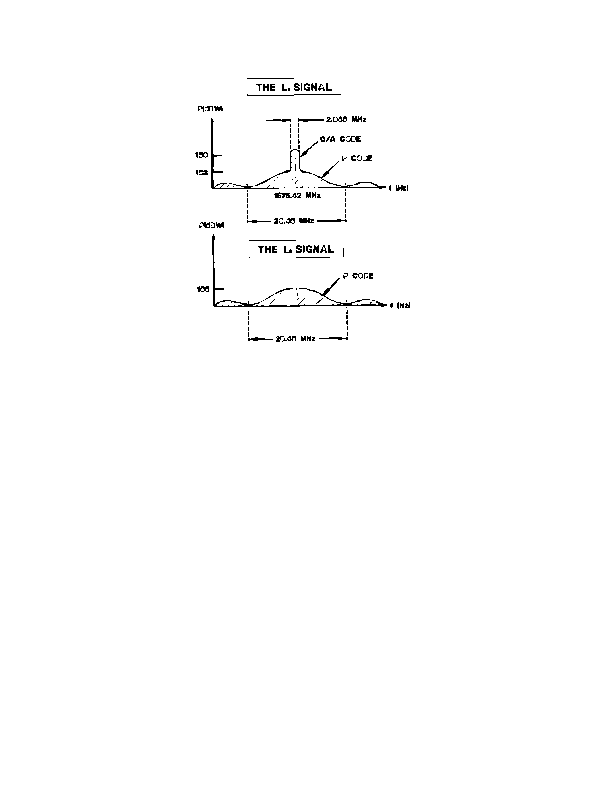
Figure 1 7. GPS Signal Frequency Spectrum
Take range and range rate measurements
Solve for range equations
P(Y) code measurements L2 to remove ionospheric delays and refine navigation
solution.
Details of the operations are expanded below.
1.4.2.1 Satellite Selection
A typical satellite tracking sequence begins with the receiver determining which satellites are
visible for it to track. If the receiver can immediately determine satellite visibility, the receiver will
target a satellite to track and begin the acquisition process. Satellite visibility is determined based
on the GPS satellite almanac and the initial receiver estimate (or user input) of time and position.
If the receiver does not have the almanac and position information stored, the receiver enters a
"search the sky" operation that systematically searches the PRN codes until lock is obtained on
one of the satellites in view. Once one satellite is successfully tracked, the receiver can
demodulate the navigation message data stream and acquire the current almanac as well as the
health status of all the other satellites in the constellation.
Depending on its architecture, a receiver selects either a "best" subset of the visible satellites to
track or uses all healthy satellites in view to determine an "all in view" PVT solution. The all in
view solution is usually more accurate than a four satellite solution although it requires a
1 10
<< < GO > >>